Pan advisor
Which pan is the right one for which application?


Crispy frying
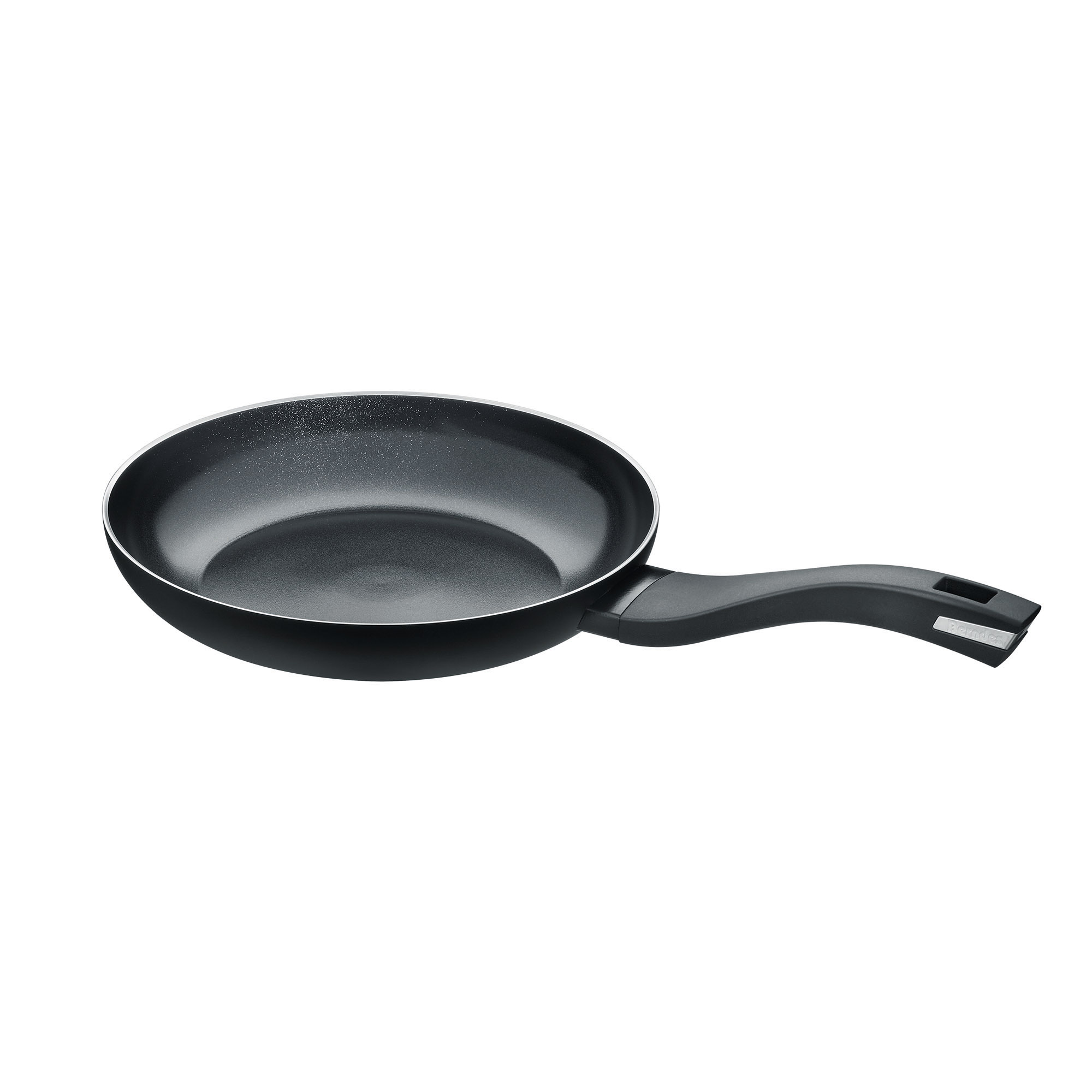
Crispy frying is a cooking technique that aims to create a crispy, golden brown surface while keeping the interior tender and juicy. To achieve this, choosing the right pan is crucial. Cast iron or stainless steel pans are ideal as they hold high temperatures well and promote even browning. Before frying, the meat or vegetables should be dried well to reduce moisture that hinders crisping. A sufficiently high heat is important to form a nice crust; therefore, preheating the pan is essential.
Using healthy oils with a high smoke point, such as peanut or rapeseed oil, ensures that the fat does not burn. When frying, the food should not be turned too often so that an even crust can form. An additional technique is searing at high heat, followed by a short cooking time at a lower temperature to cook the inside perfectly. With these tips, you can prepare delicious, crispy dishes that will shine on any menu!


Universal frying
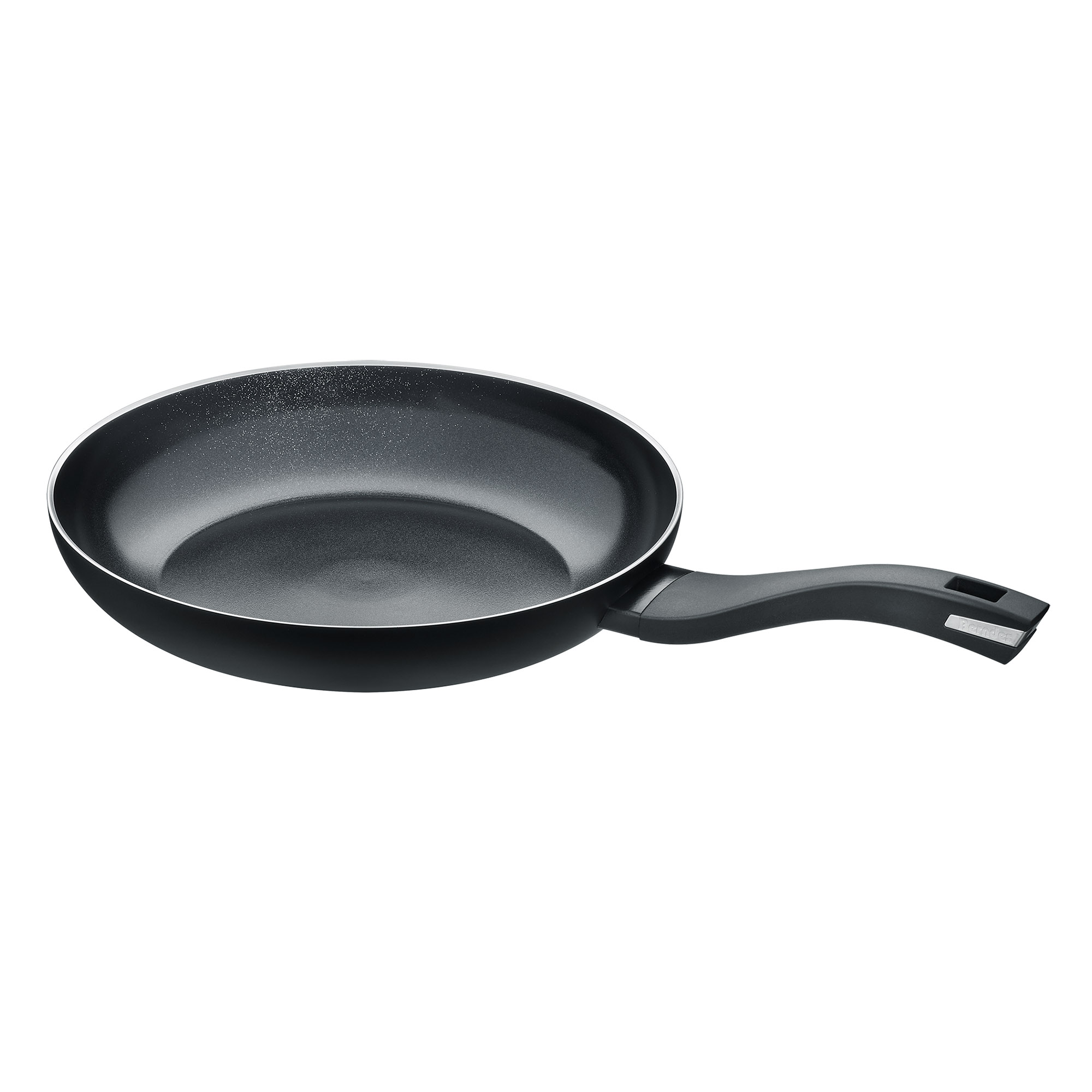
Cooking with pans that have a removable handle offers many practical advantages that make preparing dishes much easier. These pans are ideal for step-by-step cooking and serving as they can be transferred directly from the stove to the oven or to the table without the need for additional dishes. The removable handle also allows for space-saving storage as the pans can easily be stacked on top of each other.
Another advantage is their versatility. Many of these pans are suitable for different cooking methods, be it frying, braising or even baking. With a removable handle, the pans are also easy to clean as they can easily fit in the dishwasher or sink. When cooking, it is important to control the temperature well to ensure even cooking.
These pans are available in a variety of materials including stainless steel, cast iron and coated variants, each suitable for different recipes. Cooking with pans with removable handles not only promotes efficiency, but also makes cooking more flexible and enjoyable.
Frequently asked questions about frying pans
Pan coatings have a considerable influence on the properties and possible uses of pans. Here are the most common types of pan coatings:
1. non-stick coatings
- PTFE (Polytetrafluoroethylene) / Teflon:
- Very common.
- Non-stick coating prevents sticking.
- Heat-resistant up to approx. 260°C.
- Sensitive to scratches and sharp utensils.
- Health concerns if overheated above 360°C.
- Ceramic coating:
- Made of silicon dioxide (similar to glass).
- Heat-resistant up to 400°C.
- Free from PTFE and PFOA.
- Less durable, non-stick effect decreases over time.
- Scratch resistance varies depending on quality.
2. mineral and natural coatings
- Cast iron:
- Can develop a natural non-stick coating (patina).
- Very durable and heat-resistant.
- Requires care and seasoning.
- Heavy and not dishwasher-safe.
- Similar to cast iron, lighter and quicker to heat.
- Develops a natural non-stick layer.
- Must be oiled after use to prevent rust.
3. enamelled coatings
- Cast iron with enamel:
- Combination of cast iron and enamel coating.
- Very robust and scratch-resistant.
- No special care required, does not rust.
- Can become cracked when exposed to extreme temperature changes.
- Steel or aluminium with enamel:
- Provides non-stick effect and corrosion protection.
- Mostly more heat-resistant than purely non-stick coated pans.
4. stainless steel without coating
- No coating, therefore no non-stick effect.
- Very durable and heat-resistant.
- Good for searing, as high temperatures are possible.
- Requires practice to avoid sticking.
1. PFAS (per- and polyfluoroalkyl substances)
Description: PFAS is a large group of synthetic chemicals that includes thousands of substances. They are characterised by their water, grease and dirt repellent properties.
Usage: Commonly used in industrial applications, packaging materials, water-repellent textiles, fire extinguishing agents and non-stick coatings.
Criticality: Some PFAS compounds are problematic due to their longevity and potential health effects, as they can accumulate in the environment and in the human body.
2. PFOA (perfluorooctanoic acid)
Description: PFOA is a special compound within the PFAS group. It was previously used in the production of PTFE and other fluoropolymers.
Use: Mainly in the production of non-stick coatings such as Teflon. It has been used as an emulsifier to make PTFE.
Criticality: PFOA is harmful to the environment and is suspected of causing health problems such as cancer, liver and thyroid disease. It is also known as a "forever chemical" due to its persistence and bioaccumulation.
Current status: The use of PFOA is severely restricted or banned in many countries due to health concerns.
3. PTFE (Polytetrafluoroethylene)
Description: PTFE is a fluoropolymer known for its non-stick and heat resistance. Teflon is a brand name for PTFE.
Usage: Widely used in non-stick pans, gaskets, coatings and industrial applications.
Hazardousness: PTFE itself is considered relatively harmless as long as it is not overheated (above 260°C). At high temperatures, however, it can decompose and release toxic vapours.
Relation to PFOA: PFOA was previously used in the manufacture of PTFE, but has since been replaced by alternative substances.
Summary
- PFAS is the parent group that includes many chemicals like PFOA.
- PFOA is a specific substance within PFAS that was once used to make PTFE, but is now largely banned.
- PTFE is a polymer often used in non-stick coatings that is relatively safe in itself, but can be harmful at high temperatures.
These differences are important in order to better understand the safety and environmental compatibility of non-stick products.
PTFE (polytetrafluoroethylene) itself is considered relatively harmless in normal use. It has a high thermal stability and is chemically inert, which means that it does not react with food or release harmful substances under normal cooking conditions. However, there are some important points to bear in mind:
1. danger due to overheating
- Temperature limit: PTFE is heat-resistant up to around 260°C. If a coated pan is heated above this temperature (usually above 300°C), PTFE can begin to decompose.
- Release of vapours: When overheated, PTFE releases toxic vapours that can trigger so-called "polymer fever" (also known as "Teflon fever"). These flu-like symptoms occur in people who inhale the vapours.
- Birds: Pets, especially birds, are extremely sensitive to these vapours and can become seriously ill or die from even minor exposure.
2. concern due to production residues
PTFE itself is not harmful to health, but PFOA (perfluorooctanoic acid) used to be used in its manufacture. PFOA is a substance that can be harmful to health and is very persistent in the environment.
Current status: Since 2015, many manufacturers have removed PFOA from their production processes. When buying non-stick pans, it is important to ensure that they are labelled as "PFOA-free".
3. usage tips for safety
- Low to medium heat: Only use coated pans at low to medium temperatures to avoid overheating.
- Ventilation: Always ensure good ventilation when cooking, especially when heating a coated pan to a high temperature.
- Avoid empty pans: Never leave the pan empty on the hob as it can overheat very quickly.
Fazit
Under normal cooking conditions, PTFE is safe. Health risks are mainly due to overheating, so it is important to ensure that it is used correctly. If the temperature limits are observed, there is no evidence that PTFE is harmful to health.
The right pan size depends on the type of dishes you want to prepare and the number of people you are cooking for. Here is an overview of the most common pan sizes and their typical uses:
1. small pans (Ø 20 cm or smaller)
- Application: Ideal for single portions, small dishes or preparing side dishes.
- Typical dishes:
- Fried or scrambled eggs
- Pancakes
- Roasting spices
- Heating small quantities of sauces
- Number of people: 1-2 people
2. medium pans (Ø 24 cm)
- Application: Versatile and suitable for most cooking needs. Ideal for small families or couples. Typical dishes:
- Roast meat, fish or vegetables
- Pancakes or omelettes
- Pasta dishes (e.g. pasta with sauce)
- Roast potatoes
- Number of persons: 2-3 persons
3. large pans (Ø 28 cm)
- Application: Perfect for families or larger portions. Provides plenty of space to cook ingredients evenly.
- Typical dishes:
- Roast large pieces of meat or several steaks at the same time
- Prepare pan-fried dishes such as paella or stir-fry
- Large portions of vegetables or potatoes
- Number of persons: 3-4 persons
4. extra large pans (Ø 30 cm or larger)
- Application: Useful if you are cooking for many people or want to prepare large quantities at once. Ideal for parties or large family meals.
- Typical dishes:
- Large pan pizza or frittata
- Large family portions of dishes such as chilli or curry
- Prepare large quantities of rice or pasta dishes
- Number of people: 4 or more people
5. special pans
- Wok (Ø 30 cm or larger): For Asian dishes such as stir-frying, roasting or deep-frying vegetables and meat.
- Crepe pan (flat rim, Ø 24-28 cm): Especially for thin crêpes or pancakes.
- Grill pan (usually square, Ø 24-28 cm): For grilling meat, fish or vegetables with a grill pattern.
Selection tips
- Note the size of the hob: The pan size should match the size of the hob to ensure even heating. Please note that the specified pan diameter does not correspond to the base diameter. Depending on the size and shape of the pan, the base diameter is usually approx. 2 - 5 cm smaller.
- Versatility: A pan with a diameter of 24-28 cm is the most universal choice and is suitable for most applications.
- Multiple pans: If you enjoy cooking, it can be useful to have pans in different sizes to be able to respond flexibly to different cooking requirements.
1. inspection of the coating
Visible damage: Check whether the scratches have broken through the coating. If you can see the base materials (e.g. aluminium) or the coating is peeling off, it is better to replace the pan.
2. cleaning
Gentle cleaning agents: Use mild detergents and soft sponges to clean the pan. Avoid cleaning agents with abrasive particles or steel wool, which could cause scratches.
3. use of cooking utensils
Wood or silicone: Use wooden or silicone utensils when cooking to avoid scratches. Avoid metal utensils, which can damage the coating.
4. care of the pan
Before first use: If the pan is new, it may be helpful to rub it with a little oil and heat it over a low heat. This can improve the non-stick effect.
Regular care: Make sure to clean the pan thoroughly after use and treat it regularly with oil to protect the coating.
5. Reparatur
Non-stick spray: There are special non-stick sprays that can temporarily help to improve the non-stick effect, but they are not a permanent solution.
6. replacing the pan
Damaged condition: If the scratches are deep or the coating is badly damaged, it is best to replace the pan. A damaged pan can release substances that are harmful to health.
7. avoidance of future scratches
Careful handling: Be careful when cooking and storing. Do not stack pans directly on top of each other unless you are using pan liners or cloths for protection.
By following these tips, you can extend the life of your pan and prevent future damage.
1. overheating
High temperatures: If the pan is heated above the maximum recommended temperature, the coating may be damaged. This will reduce its non-stick properties.
2. wear and tear
Regular use: Even with careful handling, the non-stick coating can wear off over time and with frequent use, resulting in scratches and reduced performance.
3. use of incorrect utensils
Metal utensils: The use of metal utensils can scratch the coating. Use wood, silicone or plastic instead.
4. cleaning
Abrasive cleaning agents: Aggressive cleaning agents or abrasive sponges can attack the coating and impair its functionality.
5. incorrect storage
Stacking without protection: If pans are stacked directly on top of each other, this can lead to scratches on the coating. Use pan inserts or cloths for protection.
6. chemical influences
Reactive foods: Certain foods or chemicals can attack the coating, especially after prolonged exposure.
7. ageing
Lifespan of the pan: Even high-quality non-stick pans have a limited lifespan. With older pans, the coating can lose its effect due to ageing.
8. damage due to sharp edges
Incidental impacts: Collisions with hard surfaces or other pots/pans can damage the coating.
Tips for improving the non-stick effect
- Avoid overheating: Cook on medium to low heat.
- Use suitable utensils: Use only plastic, wood or silicone.
- Care for the pan properly: Clean the pan with gentle products and use soft sponges.
- Store the pan carefully: Protect the coating by storing it appropriately.
If the non-stick effect is severely impaired, it may be advisable to replace the pan.
1. wrong temperature
Too low heat: The food is not browned properly and remains moist.
Too high heat: Food can burn on the outside while remaining raw on the inside.
2. overfilling the pan
Too many ingredients at once can lower the temperature and prevent them from roasting evenly.
3. wrong oil
The use of oils with a low smoke point can lead to smoke development and an unpleasant flavour. Choose oils that are suitable for high temperatures.
4. turning too early
Food should be given enough time to brown. Turning them too early can prevent them from forming a nice crust.
5. insufficient preparation
Food should be cut evenly and be similar in size to ensure even cooking.
6. not enough space
The ingredients should have enough room to fry instead of steaming. Be careful not to overcrowd the pan.
7. wrong utensils
The use of metal utensils in coated pans can damage the coating. Use suitable wooden or silicone utensils.
8. insufficient temperature control
Not paying attention to the heat source or not adjusting the heat during cooking can lead to uneven cooking.
9. no preheating
The pan should be preheated before adding the ingredients to ensure even browning.
10. forgetting fat
Adding too little or no fat can cause food to stick and not brown evenly.
By paying attention to these points, you can optimise frying in the pan and achieve better results.
All products